
New World Screwworm Updates
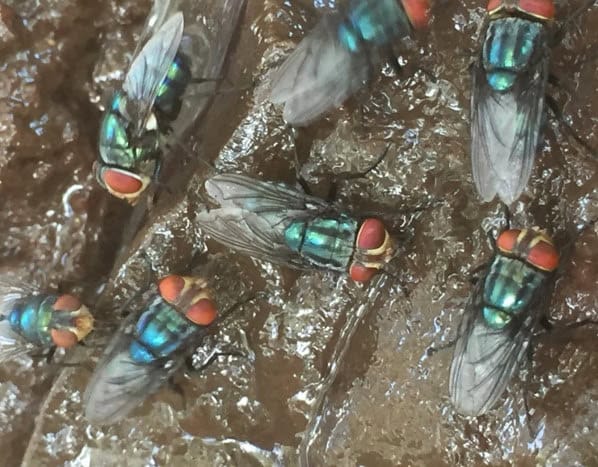 The U.S. Department of Agriculture (USDA) has confirmed a case of New World Screwworm (NWS) in a calf near La Pryor, Texas, approximately 50 miles from the Texas-Mexico border. While the affected animal was cattle, the detection marks the first confirmed case of New World Screwworm in the United States during the current outbreak and has significant implications for the equine industry, particularly given the extensive interstate movement of racehorses throughout the Southwest.
In response, the Kentucky Office of the State Veterinarian (OSV) has implemented emergency movement requirements for large animals originating from Texas, effective through August 1, 2026. These restrictions apply to horses entering Kentucky for racing, training, sales, breeding, or other equine activities.
Requirements for Horses Originating from Texas:
- Kentucky OSV entry permit required prior to movement
- Certificate of Veterinary Inspection (CVI) issued within 72 hours of entry
- Signed veterinary statement confirming the horse shows no clinical signs consistent with New World Screwworm infestation (myiasis)
- Post-arrival veterinary inspection within 24 hours of entering Kentucky
- Valid Equine Infectious Anemia (EIA/Coggins) documentation accompanying all equine movements
Horsemen, trainers, veterinarians, and racetrack officials should be particularly vigilant when transporting horses from Texas and surrounding states. Given the volume of racehorse traffic between Texas, Oklahoma, Louisiana, Arkansas, New Mexico, and other racing jurisdictions, industry participants should closely monitor any additional movement restrictions that may be implemented by state animal health officials.
New World Screwworm larvae infest living tissue through open wounds, surgical sites, umbilical areas, and other natural body openings. Clinical signs may include:
- Non-healing or enlarging wounds
- Excessive drainage or discharge from wounds
- Visible larvae or eggs in wounds or body openings
- Irritation, discomfort, or unusual behavior associated with affected areas
- Swelling and inflammation around wounds
Horsemen are encouraged to inspect horses carefully before shipment and upon arrival at racetracks, training centers, farms, and sales facilities. Any suspected cases should be reported immediately to state animal health officials and attending veterinarians.
As this situation continues to evolve, horsemen in Texas and neighboring racing states should remain alert for additional regulatory actions that could affect interstate equine transportation, racing participation, and breeding operations. Please consult your state veterinarian’s office and applicable racing commission for the most current guidance.
MORE RESOURCES:
*Kentucky Department of Agriculture press release